Injection Foam Insulation in Charlotte, NC
Insulate existing walls without tearing them open. Injection foam fills wall cavities through small drilled holes and expands to fill every gap and void -- providing air sealing and insulation without demolition.
Insulating Existing Walls Without Demolition
Most Charlotte homes built before 2000 have inadequate wall insulation -- often just nominal fiberglass batts (which settle and lose effectiveness) or nothing at all in older pre-code construction. Until injection foam became widely available, retrofitting wall insulation meant tearing off siding or opening up interior walls -- expensive, disruptive renovations that most homeowners chose to avoid.
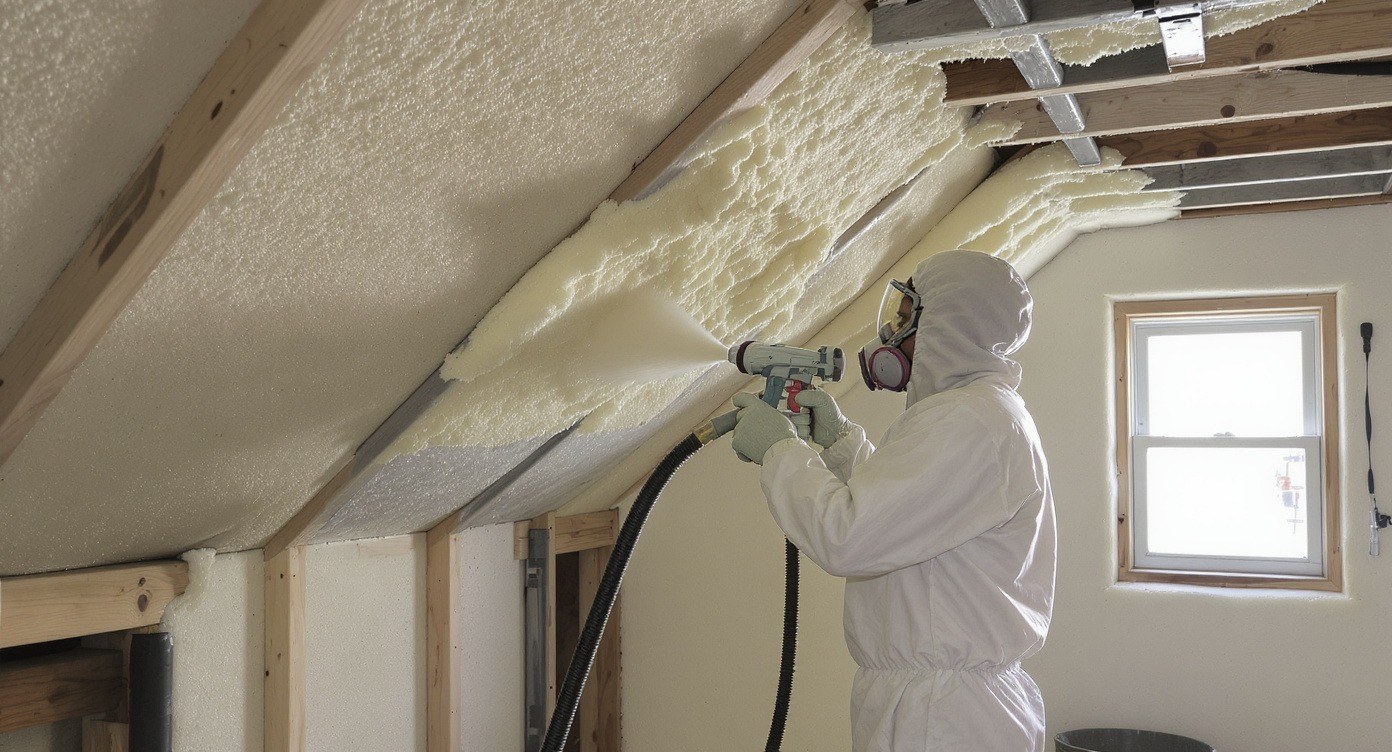
Injection foam changes this. We drill small holes (typically 1.5 inches in diameter) through the exterior siding or interior drywall between each stud bay, inject specialized low-expansion injection foam that flows through the cavity and fills it completely, then plug the holes with matching color plugs. The result is a fully insulated wall with minimal disruption to your home.
Injection foam is particularly effective for Charlotte's stock of brick ranch homes, craftsman bungalows, and 1970s-1980s construction where wall insulation was either never installed or has settled significantly over time.
- No demolition of walls or siding required
- Fills existing cavities completely -- no gaps or settling
- Dramatically improves air sealing of exterior walls
- Reduces energy loss through walls by 30-50%
- Can be done room by room on a homeowner's schedule
- Minimal interior disruption -- most access through exterior
Get a Free Estimate
Our Process
We follow SPFA (Spray Polyurethane Foam Alliance) installation protocols on every project.
- 1
Thermal Imaging Assessment
We use infrared thermal imaging to identify existing wall insulation deficiencies and map out exactly which wall cavities need attention. This ensures efficient application without guesswork.
- 2
Hole Drilling
1.5-inch holes are drilled through the selected access face (exterior siding or interior drywall) between each stud, staggered to reach the entire cavity height.
- 3
Foam Injection
Injection foam is pumped into the cavity through a long probe nozzle, starting at the bottom and working up. The foam flows and expands to fill the cavity completely, including around any wiring or plumbing.
- 4
Hole Patching
Holes are plugged with color-matched plugs (for siding) or drywall compound (for interior access). Siding plug color-matching is done on-site.
- 5
Final Inspection
We verify complete fill using thermal imaging or density probing. Any voids are re-injected before the project is considered complete.
Frequently Asked Questions
Can injection foam be used in brick homes?
Yes. Brick veneer homes are excellent candidates for injection foam because the drill holes go through the brick into the cavity behind -- the holes are plugged with color-matched mortar. The result is nearly invisible and the cavity fill is complete.
How much does injection foam insulation cost in Charlotte?
Injection foam for existing walls typically costs $2.00 to $4.50 per linear foot of wall treated, depending on wall height, access type (interior vs exterior), and existing insulation conditions. A typical 2,000 sq ft Charlotte home with uninsulated exterior walls runs $3,500 to $7,500.
Will injection foam settle over time like blown-in cellulose?
No. Injection foam cures to a stable, rigid (or semi-rigid) state and does not settle, shift, or lose R-value over time. It is permanently bonded to the cavity surfaces.
How disruptive is the injection foam process?
For most Charlotte homes, injection foam is done from the exterior in one to two days with minimal interior disruption. Interior access is used when the exterior siding makes it impractical (such as stucco or stone facades). We protect all work areas and clean up completely.
Ready to Get Started?
Get your free spray foam estimate from Charlotte's most trusted insulation specialist.